
A New Chapter for Florida Homeownership
November 5, 2026
November 5, 2026
What Florida's Amendment 3 Means for Homebuyers, New Residents, and Second-Home Owners in 2027 and Beyond.
There is something special about making Florida home. Maybe it's the promise of mornings along the Gulf, afternoons spent under the palms, or the simple pleasure of having a place where life feels a little more like vacation.
For many, that dream begins along Scenic Highway 30A, where charming beach communities, beautiful architecture, and the unmistakable coastal lifestyle create a place unlike anywhere else.
But finding the right home is about more than location. It's also about understanding the financial considerations that come with owning property in Florida.
And there's an important development prospective buyers should know about.
On November 3, 2026, Florida voters approved Amendment 3, introducing significant changes to the state's homestead property tax exemption and property assessment rules. Beginning January 1, 2027, these changes will affect qualifying homeowners, new Florida residents, and certain owners of non-homestead properties.
Whether you're considering a permanent move, searching for a second home along 30A, or exploring Florida real estate as a long-term investment, here's what you should understand before making your next move.
At the center of Amendment 3 is an expansion of Florida's homestead exemption, a property tax benefit available to homeowners who establish a qualifying property as their permanent primary residence.
The amendment increases the homestead exemption for non-school property taxes to:
The existing $25,000 exemption for school district taxes remains in place.
What does this mean for homeowners?
Essentially, a larger portion of a qualifying home's assessed value will be excluded when calculating applicable non-school property taxes. Depending on the home's assessed value and local tax rates, this could create meaningful savings.
One important distinction: This is a reduction in the taxable assessed value, not a direct $250,000 reduction in your tax bill. Your actual savings will depend on your individual property and local tax rates.
Florida continues to attract buyers from across the country, many looking for a fresh beginning, a more relaxed lifestyle, or a beautiful place to spend more time with family.
If you're planning to establish Florida residency, there is an important provision in Amendment 3 to understand.
Individuals who were not Florida residents as of December 31, 2026, will initially receive the existing homestead exemption when they qualify. The expanded exemption begins with their fifth year of homestead exemption eligibility, subject to applicable constitutional requirements.
In other words, buyers moving to Florida after 2026 should plan for a gradual transition to the expanded benefit.
This is particularly important if you're relocating from another state and considering Florida as your primary residence.
Purchasing a home, establishing Florida residency, and qualifying for homestead are separate considerations. Before making financial projections, it's worth understanding the eligibility requirements and timeline.
Not every Florida home purchase is about relocating permanently.
For many of my clients, the dream is a second home along the Gulf Coast. A beautiful place to gather with family, enjoy the beach, and create memories that last well beyond a single season.
Communities like Rosemary Beach, Seagrove Beach, and Santa Rosa Beach each offer their own distinct character and lifestyle.
But when it comes to property taxes, there is an important difference between a primary residence and a second home.
The expanded homestead exemption is intended for qualifying primary residences. A vacation home, second home, or investment property does not automatically qualify.
Amendment 3 does, however, introduce another change that may benefit certain non-homestead property owners.
Beginning in 2027, the annual assessment increase cap for qualifying non-homestead properties decreases from 10% to 5% for non-school property taxes.
This can be relevant to owners of rental properties, vacation homes, and certain commercial properties.
For buyers considering a coastal property, understanding how the home will be classified for property tax purposes is an important part of evaluating the purchase.
One detail I always encourage buyers to understand is that a home's market value and its assessed value are not necessarily the same.
Florida's Save Our Homes provision limits annual increases in the assessed value of qualifying homestead properties to the lower of 3% or the percentage change in the Consumer Price Index.
Over time, this can create a considerable difference between a home's current market value and the value used to calculate property taxes.
For a new buyer, this distinction matters.
When a property changes ownership, its assessed value is generally reset to just value for the following assessment year. This means the seller's current property tax bill may not accurately reflect what you will pay as the new owner.
A property that has been owned for many years may benefit from substantial accumulated assessment protection. That benefit does not automatically transfer to the purchaser.
My advice is simple: Never evaluate a property based solely on the seller's current tax bill. Understand what your potential ownership costs could look like after the purchase.
Property taxes help support the communities we love, from public safety and infrastructure to schools and other essential services.
Amendment 3 also establishes restrictions on how counties and municipalities may use property tax revenues, identifying categories such as public safety, education, infrastructure, natural resources, flood control, local bond obligations, employee retirement benefits, and government operations.
As these changes take effect, local governments will need to consider how they manage their budgets and maintain essential services.
For buyers, this is another reason to look beyond the home itself.
The character of a neighborhood, the quality of its infrastructure, community services, and long-term planning all contribute to the experience of owning property.
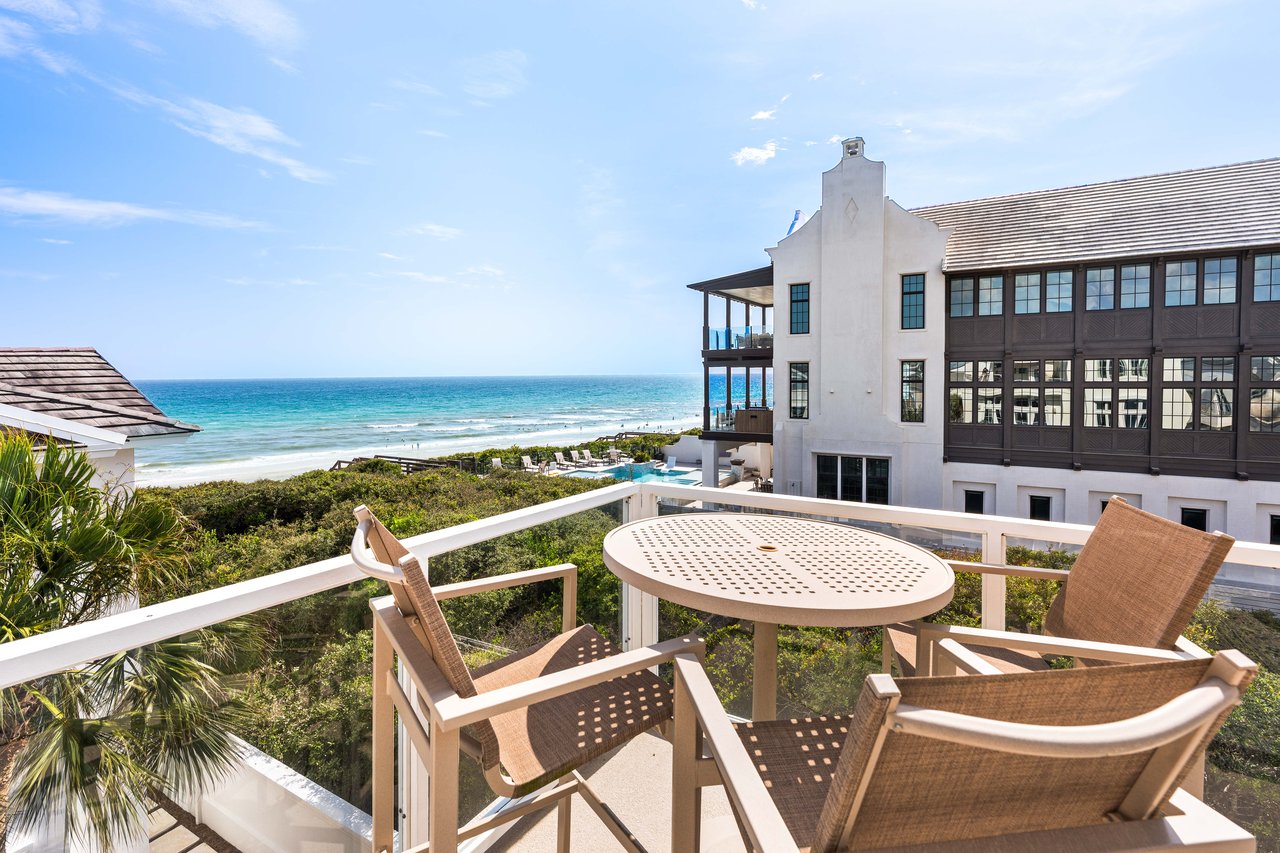
When choosing a place to call home, those details matter just as much as the view from your balcony.
Whether you're relocating, purchasing a coastal retreat, or exploring investment opportunities, here are five things worth keeping in mind.
1. Understand your homestead eligibility.
The expanded exemption is designed for qualifying primary residences. A second home or investment property does not automatically qualify.
2. Know your residency timeline.
If you were not a Florida resident by December 31, 2026, understand how the five-year phase-in may affect your eligibility for the expanded exemption.
3. Look beyond the seller's property tax bill.
A change in ownership can trigger reassessment. Your future property tax obligation may look very different from the current owner's.
4. Consider the complete cost of ownership.
Property taxes are only one part of the picture. Insurance, flood insurance where applicable, maintenance, homeowners association fees, and other expenses should all be considered.
5. Think about the life you want to create.
The right property is about more than today's numbers. Consider the location, lifestyle, long-term plans, and the qualities that make a community feel like home.
Florida's appeal has always been about more than sunshine. It's about the opportunity to create a life that feels a little different.
Perhaps that means a beautiful residence in Rosemary Beach, a laid-back coastal home in Seagrove Beach, or a second home where the Gulf becomes part of your everyday view.
For a closer look at what makes coastal ownership so special, consider exploring a few of the properties currently represented by our team.
Discover 30 Jasmine Circle, an exceptional coastal residence in Jasmine Dunes.
Explore 459 Eastern Lake Road, another opportunity to experience the beauty of the 30A lifestyle.
Or discover 270 E Water Street in Rosemary Beach, where thoughtful coastal living meets one of 30A's most beloved communities.
You can also explore our complete collection of featured properties along Florida's Emerald Coast.
Amendment 3 introduces meaningful changes to Florida's property tax landscape. For qualifying homeowners, the expanded homestead exemption may provide additional tax relief. For new residents and second-home buyers, understanding the eligibility requirements and assessment rules will be especially important.
After nearly three decades in real estate, I believe the best decisions begin with good information, thoughtful guidance, and an understanding of what matters most to you.
Finding the right home is never just about the property. It's about the lifestyle, the community, and the memories waiting to be made.
If Florida is part of your next chapter, I'd love to help you discover what's possible.
Let's find your place in the sun.
With a smile,
Linda Miller
Broker / Owner
Linda Miller Real Estate
The Smile of 30A. The Standard in Luxury.
Explore Our Properties | Get in Touch
This article is intended for general educational purposes and is not tax, legal, or financial advice. Amendment 3 takes effect January 1, 2027. Individual eligibility and tax obligations depend on applicable law, property classification, assessed value, and personal circumstances. Consult your county property appraiser and a qualified tax professional for guidance specific to your situation.
What Florida's Amendment 3 Means for Homebuyers, New Residents, and Second-Home Owners in 2027 and Beyond.

Featured Properties
Explore 318 El Prado Place in Laguna Beach, FL. This furnished 4-bedroom coastal home features a private pool and golf cart, offered at $1,099,000.

From wine festivals and farmers markets to art exhibitions and holiday traditions, discover the magic of fall in Rosemary Beach and along 30A.
Beach access, flood zones and community rules every Santa Rosa Beach buyer should know before making an offer

Featured Properties
The Crown Jewel of the Emerald Coasts along Hoffman Bayou, the 'Riviera' of Gulf Breeze, FL

Discover why Florida's Emerald Coast is a top luxury real estate destination in 2025. Explore market trends, prices, and investment opportunities.

Discover the top summer events on Florida's Emerald Coast, from Pensacola Beach to Panama City Beach. Plan your visit!

Discover 30A's best-kept secrets: hidden beach access points known only to locals. Enjoy the Gulf without the crowds!

Discover the best beach towns in Northwest Florida, each offering a unique coastal experience. From luxury to laid-back, find your perfect beach getaway.
30A is more than just a scenic highway—it’s a place where memories are made. Are you ready to find your beach home and become part of this special place? Let us help you discover the magic of 30A and start creating memories that will last a lifetime. Contact us today to discuss all your real estate needs!

LINDA MILLER REAL ESTATE
ADDRESS 5297 E COUNTY HWY 30A STE 201 SANTA ROSA BEACH FL 32459